
What is an ON OFF Switch?
Understanding the fundamentals of electrical switching technology
Basic Definition
An ON OFF switch is a fundamental electrical component that controls the flow of electric current in a circuit. It operates as a binary control device, allowing current to flow when in the "ON" position and stopping current flow when in the "OFF" position.
This simple yet essential component forms the backbone of countless electrical applications, from household appliances to industrial machinery.
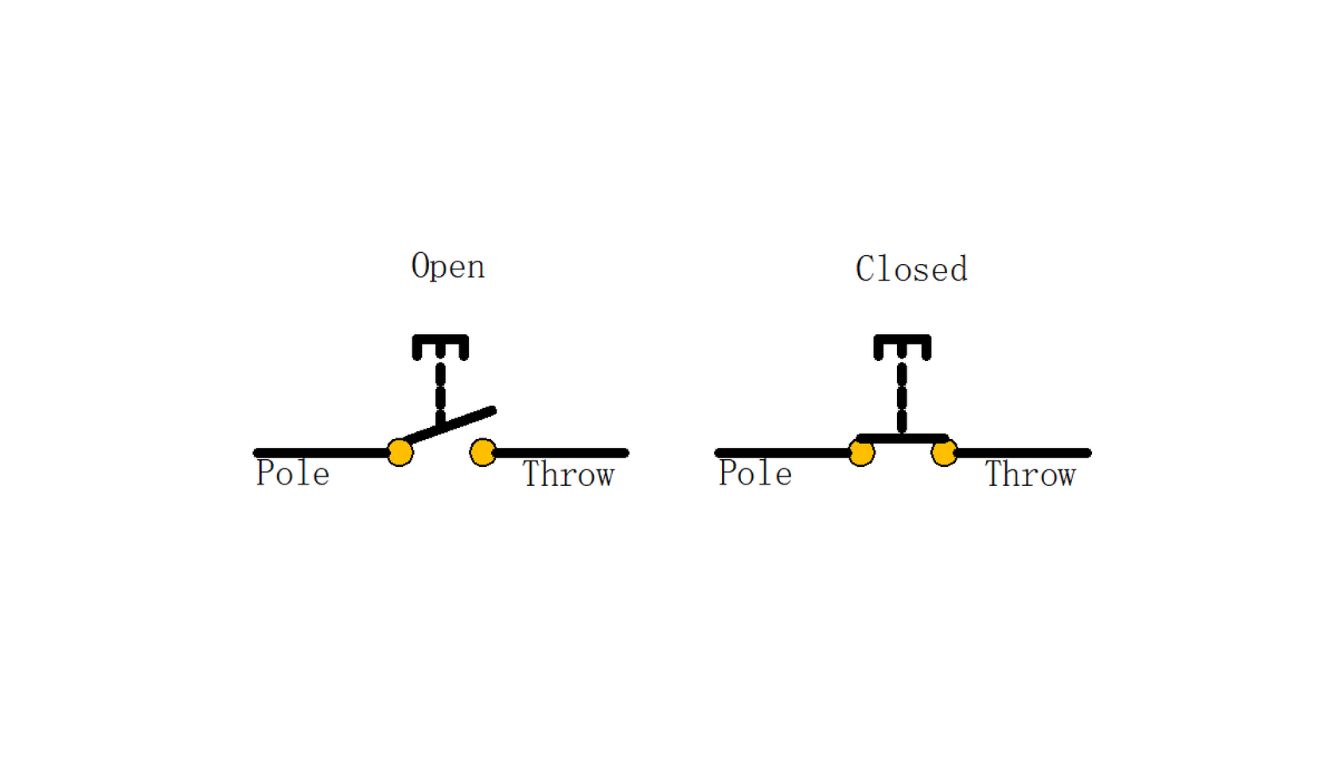
How Does an ON OFF Switch Work?
ON Position
When switched to ON, the internal contacts close, creating a complete electrical path that allows current to flow through the circuit.
OFF Position
When switched to OFF, the internal contacts separate, breaking the electrical path and stopping current flow through the circuit.
Control Mechanism
The switching action is achieved through mechanical movement of conductive contacts, controlled by external force applied to the actuator.
Types of ON OFF Switches
Toggle Switches
Feature a lever that flips between ON and OFF positions. Commonly used in household lighting and electrical panels.
Rocker Switches
Have a flat surface that rocks back and forth. Popular in modern electrical installations and appliances due to their sleek appearance.
Push Button Switches
Activated by pressing a button. Can be momentary (spring-return) or latching (maintains position until pressed again).
Slide Switches
Operated by sliding a control along a track. Often used in electronic devices and small appliances.
Common Applications
Household Appliances
Lighting systems, fans, kitchen appliances
Automotive
Dashboard controls, lighting systems, accessories
Industrial Equipment
Machinery controls, safety systems, power distribution
Electronics
Power supplies, circuit boards, control panels
Key Technical Specifications
Electrical Ratings
- Voltage Rating: Maximum voltage the switch can safely handle
- Current Rating: Maximum current capacity without overheating
- Contact Resistance: Electrical resistance when contacts are closed
- Insulation Resistance: Resistance between open contacts
Mechanical Properties
- Operating Force: Force required to actuate the switch
- Life Cycle: Number of operations before failure
- Contact Material: Silver, gold, or other conductive materials
- Environmental Rating: IP rating for dust and water protection
Safety Considerations
Important Safety Points
- • Always turn off power before installing or replacing switches
- • Use switches rated for your specific voltage and current requirements
- • Ensure proper grounding and wiring connections
- • Choose switches with appropriate environmental ratings
Certifications to Look For
- • UL (Underwriters Laboratories) certification
- • CE marking for European compliance
- • VDE/TUV certification for German standards
- • RoHS compliance for environmental safety
Conclusion
ON OFF switches are fundamental components in electrical systems, providing simple yet reliable control over current flow. Understanding their operation, types, and specifications is essential for proper selection and safe installation.
Whether you're designing a new product, maintaining existing equipment, or simply curious about how these devices work, the principles covered here provide a solid foundation for understanding ON OFF switch technology.